
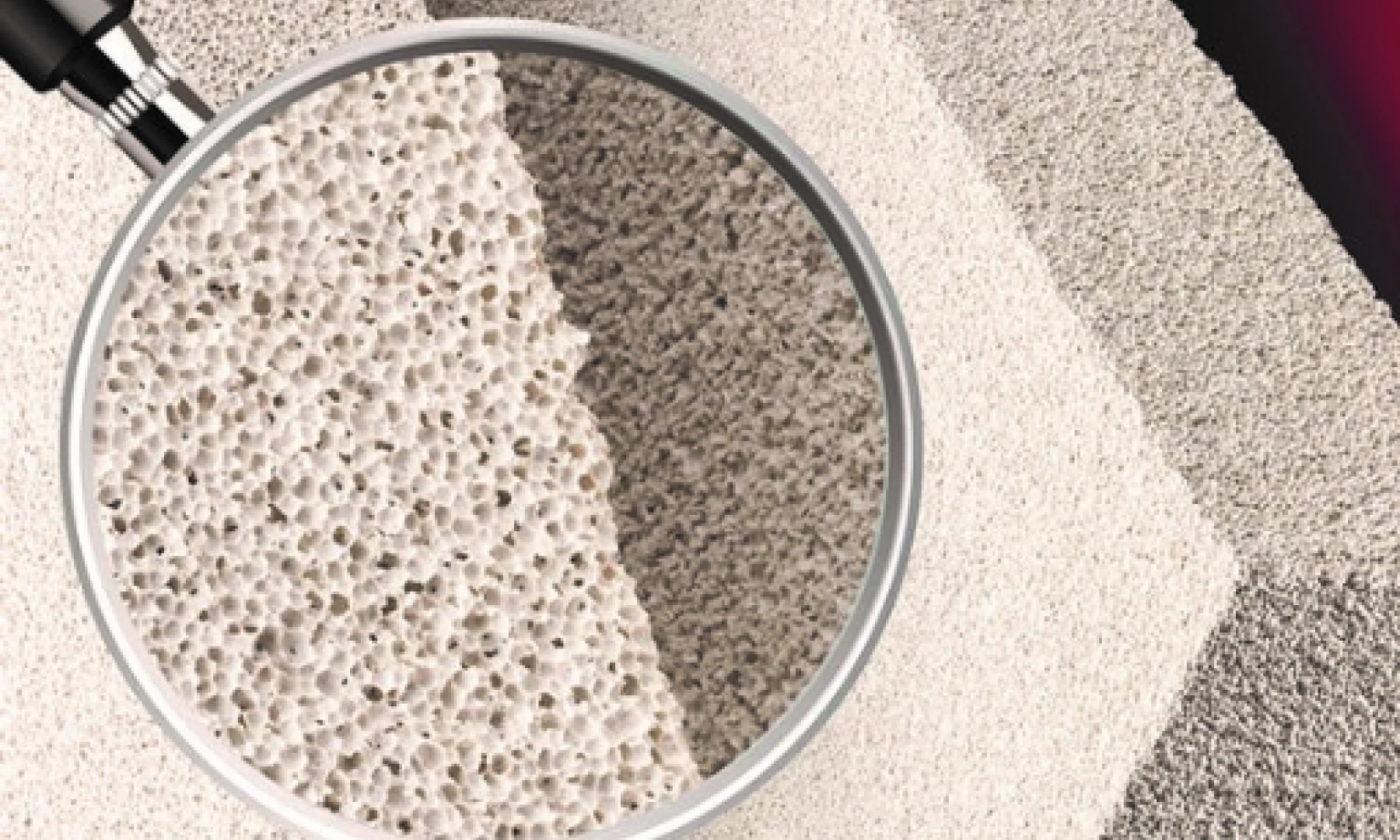
As structural engineers, we’re trained to think about concrete strength, reinforcement design, and load calculations. But there’s a critical factor that often gets overlooked in durability calculations: surface density. The first few millimeters of concrete—the “concrete skin”—are your structure’s primary defense against corrosion. And the release agent you choose during construction directly determines whether that defense is strong or compromised.
The Hidden Threat: Corrosion Through Surface Defects
The Corrosion Mechanism
Reinforced concrete corrosion doesn’t start at the rebar. It begins at the surface, where aggressive agents penetrate through defects:
- Water ingress through surface voids (bugholes, pinholes)
- Chloride ion transport via capillary action through porous concrete
- Carbonation through surface cracks and defects
- Oxygen diffusion to the rebar surface
Once these agents reach the reinforcement, the corrosion process accelerates exponentially. The result? Premature structural degradation, costly repairs, and in severe cases, structural failure.
The Critical Role of Surface Density
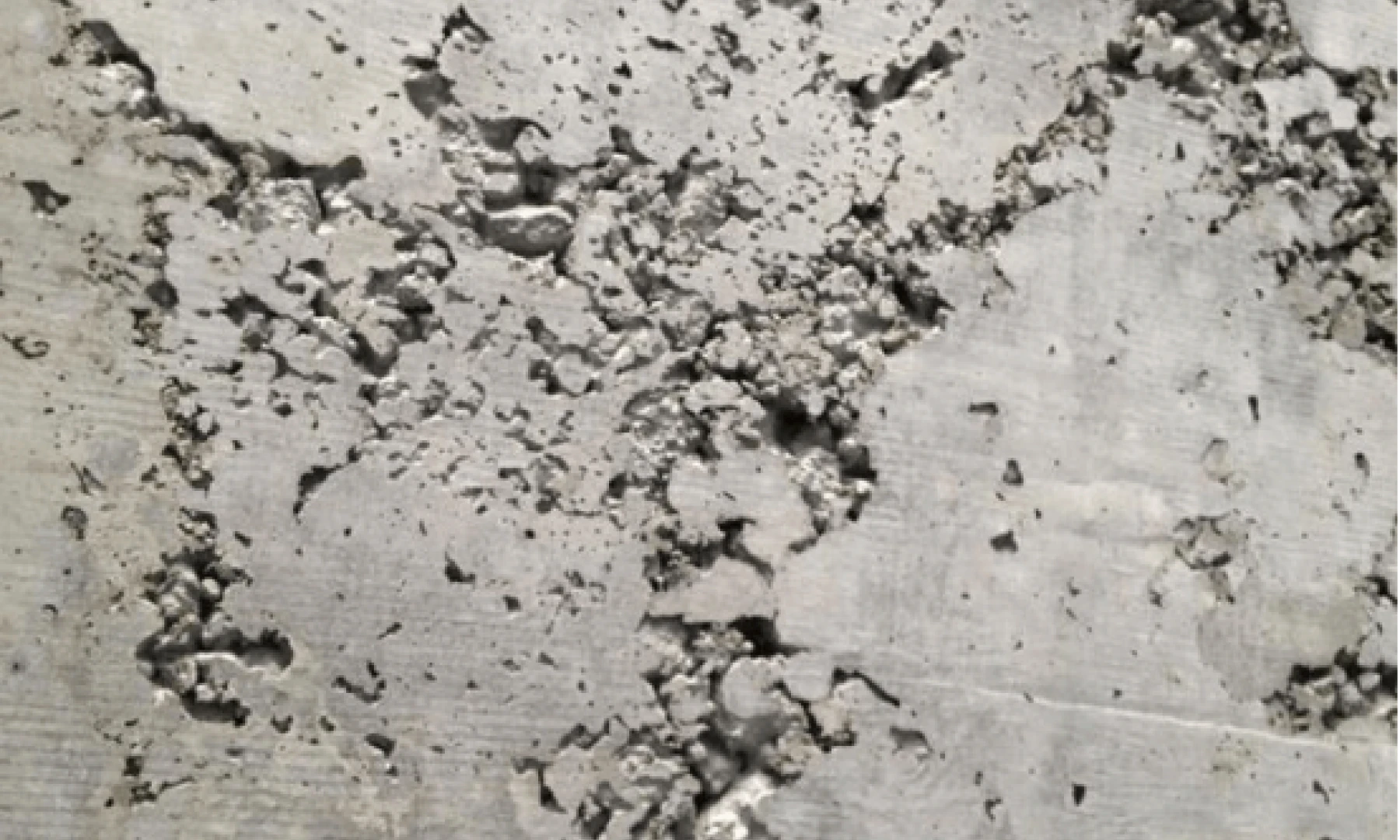
Research shows that the first 5-10mm of concrete (the “concrete skin”) determines 80% of a structure’s durability performance. This thin layer acts as a barrier, and its effectiveness depends entirely on its density and defect-free nature.
Understanding the “Concrete Skin” Concept
What is Concrete Skin?
The concrete skin is the outer layer of concrete that forms against the formwork. Unlike the bulk concrete, this layer has unique characteristics:
- Higher cement content due to bleeding and segregation
- Different pore structure influenced by formwork surface and release agent
- Direct exposure to environmental aggressors
- Critical barrier function protecting the reinforcement
Why Surface Density Matters
Surface density directly controls:
1. Permeability
Dense surface (Ra < 0.5μm, < 2% surface porosity):
- Water penetration: < 0.1 mm/day
- Chloride diffusion coefficient: < 1×10⁻¹² m²/s
- Carbonation depth after 50 years: < 5mm
Porous surface (Ra > 2μm, > 8% surface porosity):
- Water penetration: > 2 mm/day
- Chloride diffusion coefficient: > 5×10⁻¹² m²/s
- Carbonation depth after 50 years: > 15mm
2. Bughole Formation
Bugholes are more than aesthetic defects—they’re direct pathways for aggressive agents:
- 1mm bughole: Allows 0.3 ml/day water ingress
- 3mm bughole: Allows 2.7 ml/day water ingress
- 5mm bughole: Allows 7.5 ml/day water ingress
In marine environments or areas with de-icing salts, each bughole becomes a concentrated chloride entry point, accelerating localized corrosion.
The Release Agent Connection
How Release Agents Affect Surface Density
The release agent you choose during formwork preparation directly influences the concrete skin quality:
Mechanism of Influence
- Film Formation: Release agents create a micro-thin film (2-5μm) on formwork
- Air Permeability: Film viscosity determines whether air bubbles can escape
- Surface Interaction: Chemical composition affects concrete-formwork interface
- Final Surface Quality: Determines surface roughness, porosity, and defect density
Old Oil-Based Agents: Creating Weak Defenses
Traditional oil-based release agents (waste engine oil, mineral oils) create several problems:
Problem 1: High Viscosity Traps Air
Viscosity: 30-100 cP (centipoise)
Result:
- Thick film prevents air bubble escape
- Bugholes form at formwork interface
- Surface porosity: 6-12%
- Average bughole density: 15-25 per m²
Problem 2: Incomplete Coverage
Application Issues:
- Uneven film thickness
- Pooling in corners and joints
- Incomplete coverage
- Surface defects: 8-15%
Problem 3: Chemical Contamination
Contaminants in waste oil:
- Carbon particles
- Metal particles (Fe, Cu, Al)
- Oxidized hydrocarbons
- These create weak points in the concrete skin
Durability Impact
Structures using oil-based release agents show:
- Chloride penetration: 2-3× higher than optimal
- Time to corrosion initiation: 5-8 years (vs. 20+ years with proper protection)
- Repair frequency: 3-5× higher maintenance costs
Modern Water-Based Agents: Building Strong Defenses
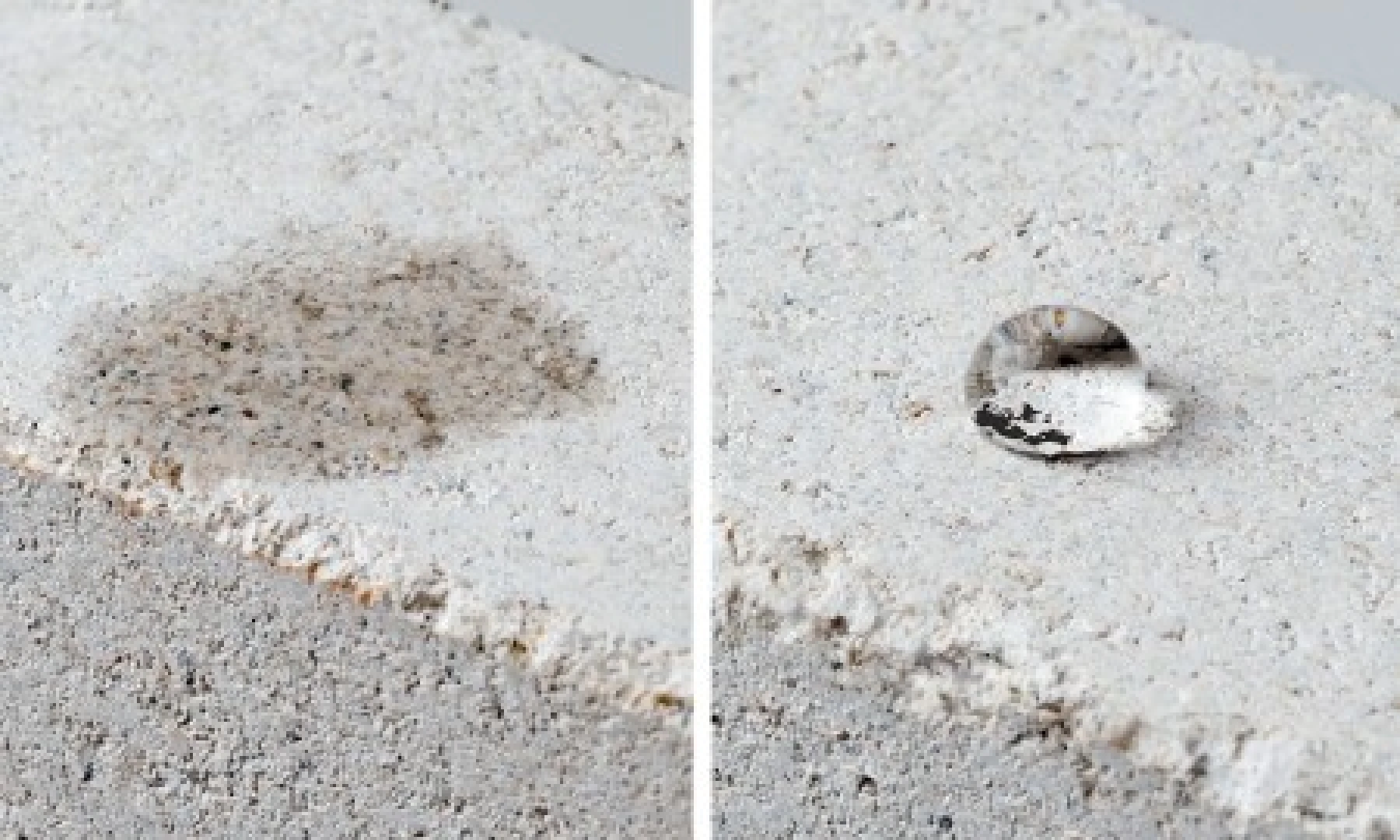
Advanced water-based wax emulsions create superior concrete skin:
Advantage 1: Low Viscosity Allows Air Escape
Viscosity: 5-15 cP
Result:
- Thin, uniform film allows air bubbles to escape
- Bughole formation: 85-95% reduction
- Surface porosity: < 2%
- Average bughole density: 0-2 per m²
Advantage 2: Uniform Film Formation
Application Benefits:
- Consistent 2-5μm film thickness
- Complete coverage without pooling
- No surface defects
- Surface roughness: Ra < 0.5μm
Advantage 3: Clean Chemical Interface
Pure Formulation:
- No contaminants
- pH-neutral chemistry
- Non-reactive with concrete
- Creates optimal concrete-formwork interface
Durability Impact
Structures using water-based release agents achieve:
- Chloride penetration: 60-70% reduction
- Time to corrosion initiation: 20-30+ years
- Repair frequency: Minimal maintenance required
Technical Comparison: Surface Quality Metrics
Laboratory Test Results
| Property | Oil-Based Agent | Water-Based Emulsion | Improvement |
|---|---|---|---|
| Surface Roughness (Ra) | 1.5-3.0 μm | 0.3-0.5 μm | 70-85% |
| Surface Porosity | 6-12% | 1-2% | 80-85% |
| Bughole Density | 15-25/m² | 0-2/m² | 90-95% |
| Water Permeability | 2.1 mm/day | 0.08 mm/day | 96% |
| Chloride Diffusion | 5.2×10⁻¹² m²/s | 0.8×10⁻¹² m²/s | 85% |
| Carbonation Depth (50yr) | 12-18 mm | 3-5 mm | 70-75% |
Field Performance Data
Case Study: Marine Structure, South China
Project Details:
- Location: Coastal environment, high chloride exposure
- Structure: Bridge piers, 40-year design life
- Comparison: 10 piers with oil-based agent, 10 piers with water-based agent
Results After 8 Years:
| Metric | Oil-Based | Water-Based |
|---|---|---|
| Chloride at Rebar Depth | 0.8% by weight | 0.2% by weight |
| Corrosion Initiation | 6 piers (60%) | 0 piers (0%) |
| Surface Defects | 18% of surface | 2% of surface |
| Maintenance Costs | $45,000 | $3,000 |
Engineering Implications
For Structural Design
When specifying concrete for durability-critical applications:
-
Include Surface Quality Requirements:
- Surface roughness: Ra < 0.5μm
- Maximum bughole density: < 2 per m²
- Surface porosity: < 2%
-
Specify Release Agent Type:
- Require water-based wax emulsions
- Prohibit waste oil or high-viscosity oils
- Include application specifications
-
Quality Control Testing:
- Surface roughness measurement
- Bughole density assessment
- Water permeability testing (if critical)
For Construction Management
-
Material Selection:
- Choose release agents based on durability, not just cost
- Verify viscosity specifications (< 20 cP)
- Require technical data sheets
-
Application Quality:
- Train applicators on proper technique
- Ensure uniform, thin film application
- Inspect formwork before concrete placement
-
Quality Assurance:
- Document release agent used
- Photograph surface quality after formwork removal
- Test surface properties on critical elements
The Cost-Benefit Analysis
Initial Cost
- Oil-based agent: $0.10-0.30 per m²
- Water-based emulsion: $0.20-0.40 per m²
Initial cost difference: $0.10-0.20 per m²
Lifecycle Cost Impact
For a typical structure (10,000 m² exposed surface):
| Cost Category | Oil-Based | Water-Based | Savings |
|---|---|---|---|
| Initial Cost | $2,000 | $3,000 | -$1,000 |
| Repair Costs (20 years) | $180,000 | $25,000 | $155,000 |
| Maintenance Costs | $45,000 | $8,000 | $37,000 |
| Total Lifecycle Cost | $227,000 | $36,000 | $191,000 |
ROI: 19,000% over 20 years
Best Practices for Maximum Durability
1. Release Agent Selection
Choose:
- Water-based wax emulsions
- Viscosity: 5-15 cP
- Non-staining formulation
- Technical support available
Avoid:
- Waste engine oil
- High-viscosity mineral oils (> 30 cP)
- Petroleum-based products with contaminants
2. Application Protocol
Critical Steps:
- Clean formwork thoroughly
- Apply thin, uniform coat (0.1-0.2mm)
- Ensure complete coverage
- Allow proper drying time
- Inspect before concrete placement
3. Quality Control
Measure:
- Surface roughness (Ra)
- Bughole density
- Surface porosity (if equipment available)
Document:
- Release agent used
- Application date and conditions
- Surface quality results
Conclusion
Surface density isn’t just about aesthetics—it’s your structure’s first line of defense against corrosion. The release agent you choose during construction directly determines whether that defense is strong or compromised.
Key Takeaways:
- The concrete skin matters: The first 5-10mm determines 80% of durability performance
- Bugholes are pathways: Each surface defect allows aggressive agents to penetrate
- Release agents matter: Water-based emulsions create denser, more protective surfaces
- The cost is minimal: Initial investment pays back 19,000% over structure lifetime
- Specification is critical: Include surface quality requirements in project specifications
As structural engineers, we have a responsibility to design for durability, not just strength. Specifying the right release agent—and ensuring proper application—is one of the most cost-effective ways to protect your structures for decades to come.
