
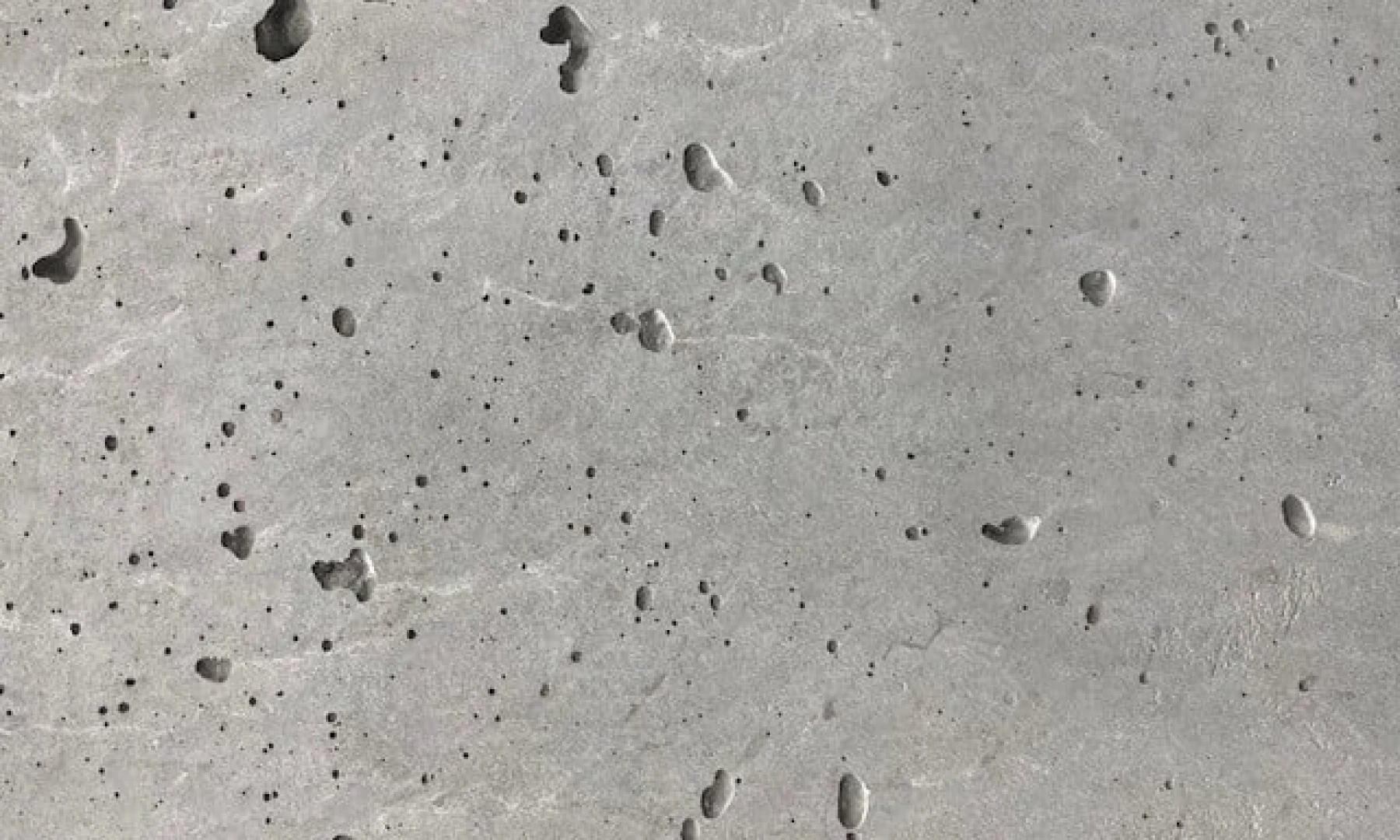
Bugholes—those frustrating surface air voids that mar an otherwise perfect concrete finish—are one of the most common quality issues in architectural concrete. Many contractors believe that proper vibration is the complete solution, but after 20 years in the field, I can tell you: vibration alone is not enough.
What Are Bugholes?
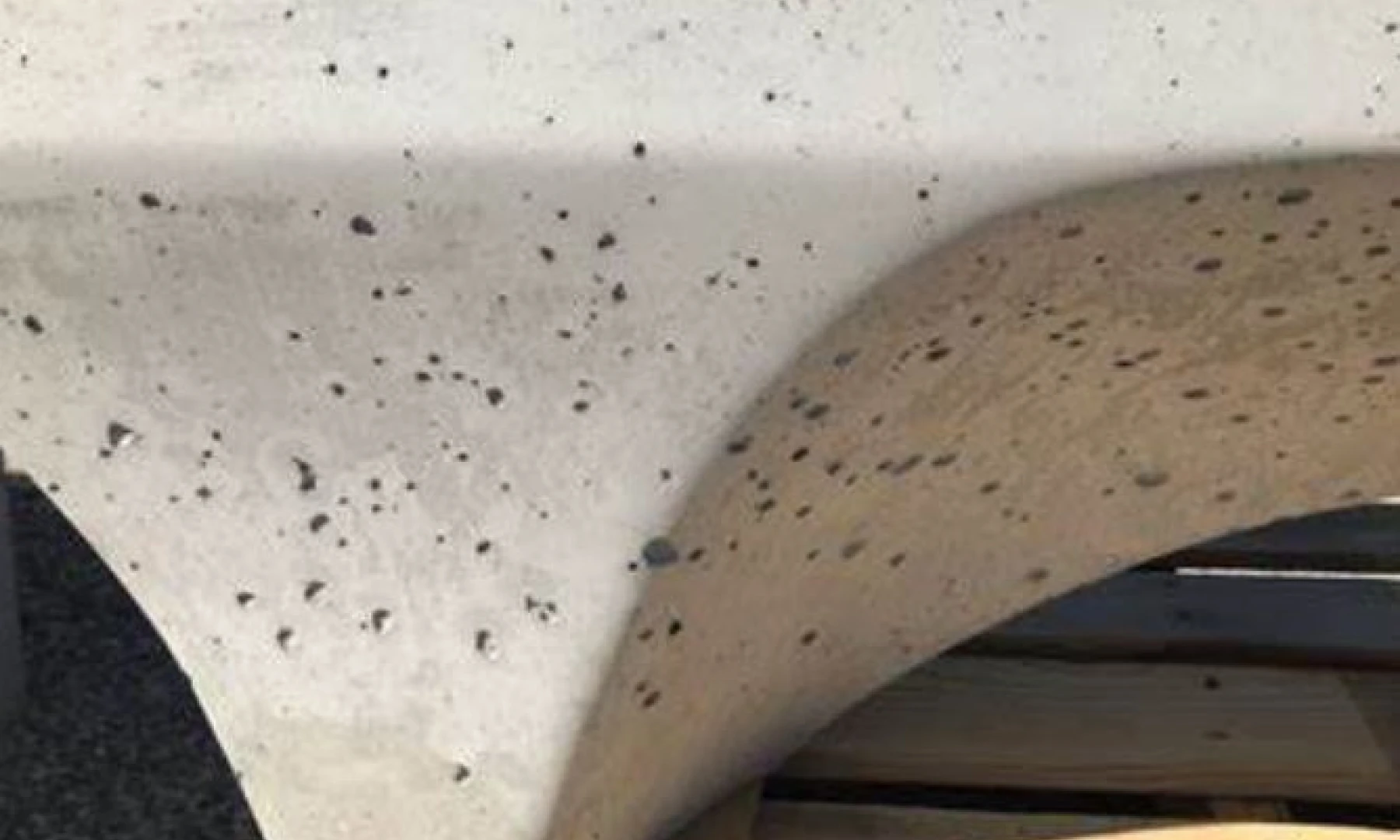
Bugholes, also known as surface air voids or pinholes, are small cavities that appear on the exposed face of concrete after formwork removal. They range from 1mm to 5mm in diameter and create an unsightly, pockmarked appearance that ruins the aesthetic of fair-faced concrete.
This article has been consolidated into the newer guide, How to Prevent Bugholes on Fair-Faced Concrete, which is the version we now maintain.
The Root Cause: High-Viscosity Release Agents
Why Vibration Fails
Most concrete professionals understand that proper vibration removes entrapped air from the concrete mix. However, what many don’t realize is that the release agent itself can trap air even after vibration has done its job.
The Viscosity Problem
Traditional release agents—especially those based on waste engine oil or high-viscosity mineral oils—create a thick, viscous film on the formwork surface. This film acts as a barrier that:
- Traps air bubbles against the formwork face
- Prevents air escape during the critical setting period
- Creates surface defects that vibration cannot eliminate

The Solution: Water-Based Wax Emulsion
Low Viscosity = Air Escape
Water-based wax emulsion release agents solve the bughole problem through their fundamental physical property: low viscosity. Unlike thick oil-based products, these emulsions:
- Allow air bubbles to escape through the release agent film
- Create a uniform, thin barrier that doesn’t trap air
- Provide clean release without surface defects
How It Works
The mechanism is straightforward:
- Thin Film Formation: Water-based emulsions form a micro-thin film (typically 2-5 microns)
- Air Permeability: The low-viscosity nature allows air bubbles to migrate through the film
- Clean Separation: Upon formwork removal, the concrete surface is smooth and defect-free
Best Practices for Bughole Prevention
1. Choose the Right Release Agent
Avoid:
- Waste engine oil
- High-viscosity mineral oils
- Thick petroleum-based products
Use:
- Water-based wax emulsions
- Low-viscosity professional release agents
- Products specifically designed for architectural concrete
2. Proper Application
- Apply a thin, uniform coat (0.1-0.2mm)
- Ensure complete coverage without pooling
- Allow proper drying time before concrete placement
3. Combine with Proper Vibration
While release agent selection is critical, don’t neglect vibration:
- Use appropriate vibration frequency (10,000-15,000 RPM)
- Maintain consistent vibration duration
- Ensure proper consolidation without over-vibration
4. Formwork Preparation
- Clean formwork surfaces thoroughly
- Remove any residue from previous pours
- Ensure formwork is properly sealed
Technical Specifications
Viscosity Comparison
| Release Agent Type | Viscosity (cP) | Air Permeability | Bughole Risk |
|---|---|---|---|
| Waste Engine Oil | 50-100 | Low | High |
| Mineral Oil | 30-60 | Low | High |
| Water-Based Emulsion | 5-15 | High | Low |
Performance Metrics
Water-based wax emulsions typically achieve:
- Bughole reduction: 85-95% compared to oil-based agents
- Surface smoothness: Ra < 0.5μm (mirror finish)
- Release efficiency: 100% clean release
- Environmental impact: Low VOC, biodegradable
Common Mistakes to Avoid
Mistake 1: Over-Application
Applying too much release agent creates pooling, which increases viscosity and traps more air.
Solution: Use a spray gun with calibrated nozzle for consistent, thin application.
Mistake 2: Mixing Products
Never mix different release agent types. Incompatible products can create unpredictable results.
Solution: Stick to one product throughout the project.
Mistake 3: Ignoring Temperature
Cold temperatures increase viscosity, reducing air permeability.
Solution: Store release agents at recommended temperatures (15-25°C) and warm if necessary.
Case Study: High-Rise Residential Project
In a recent 40-story residential project in Shanghai, we replaced traditional oil-based release agents with water-based wax emulsion. Results:
- Before: Average 15-20 bugholes per m²
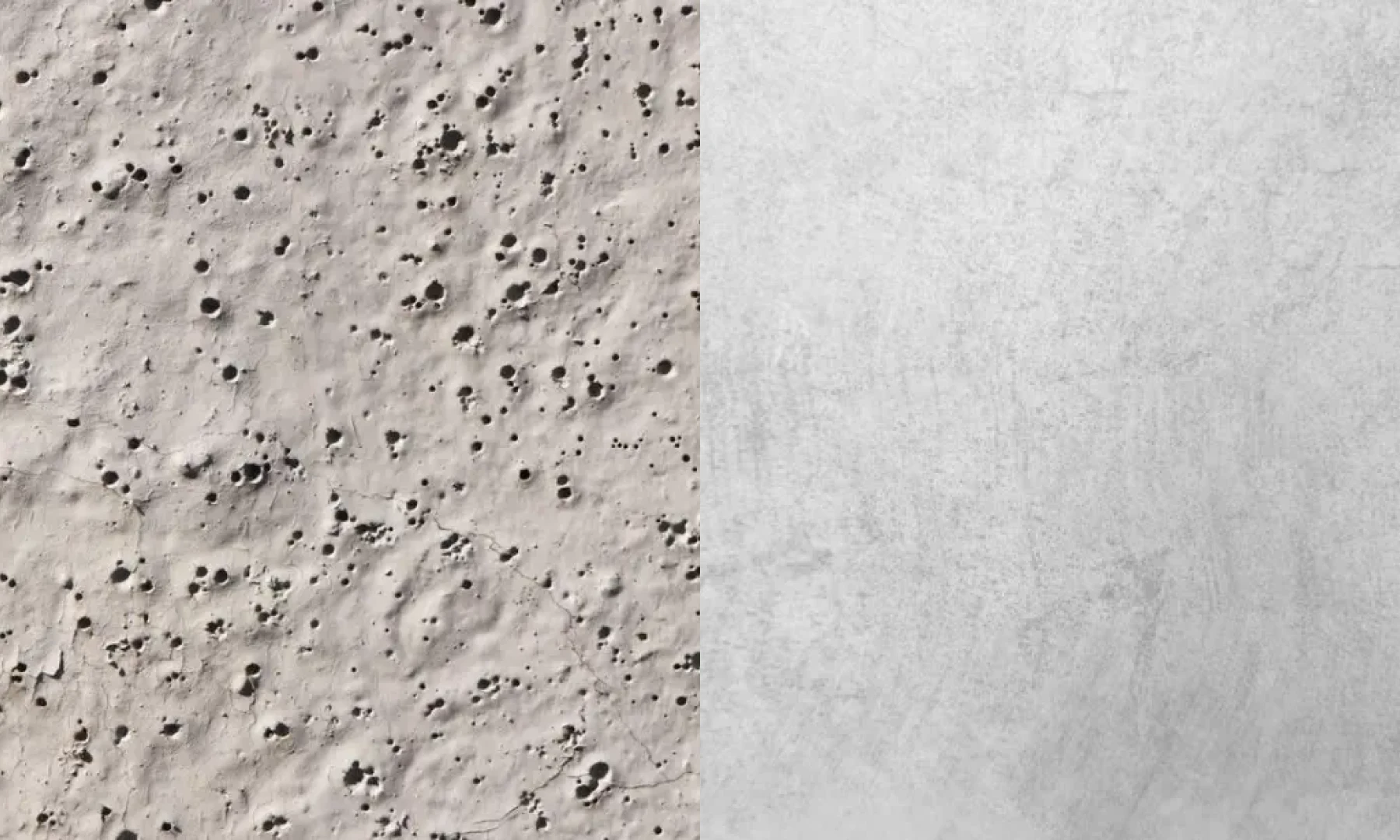
- After: Average 0-2 bugholes per m²
- Surface quality: Achieved Class A fair-faced concrete standard
- Cost savings: Reduced rework by 90%
Conclusion
Preventing bugholes requires understanding that both vibration and release agent selection matter. While proper vibration removes air from the mix, the right release agent ensures that any remaining air can escape through the formwork interface.
Water-based wax emulsions, with their low viscosity and high air permeability, represent the modern solution for achieving flawless concrete surfaces.
