
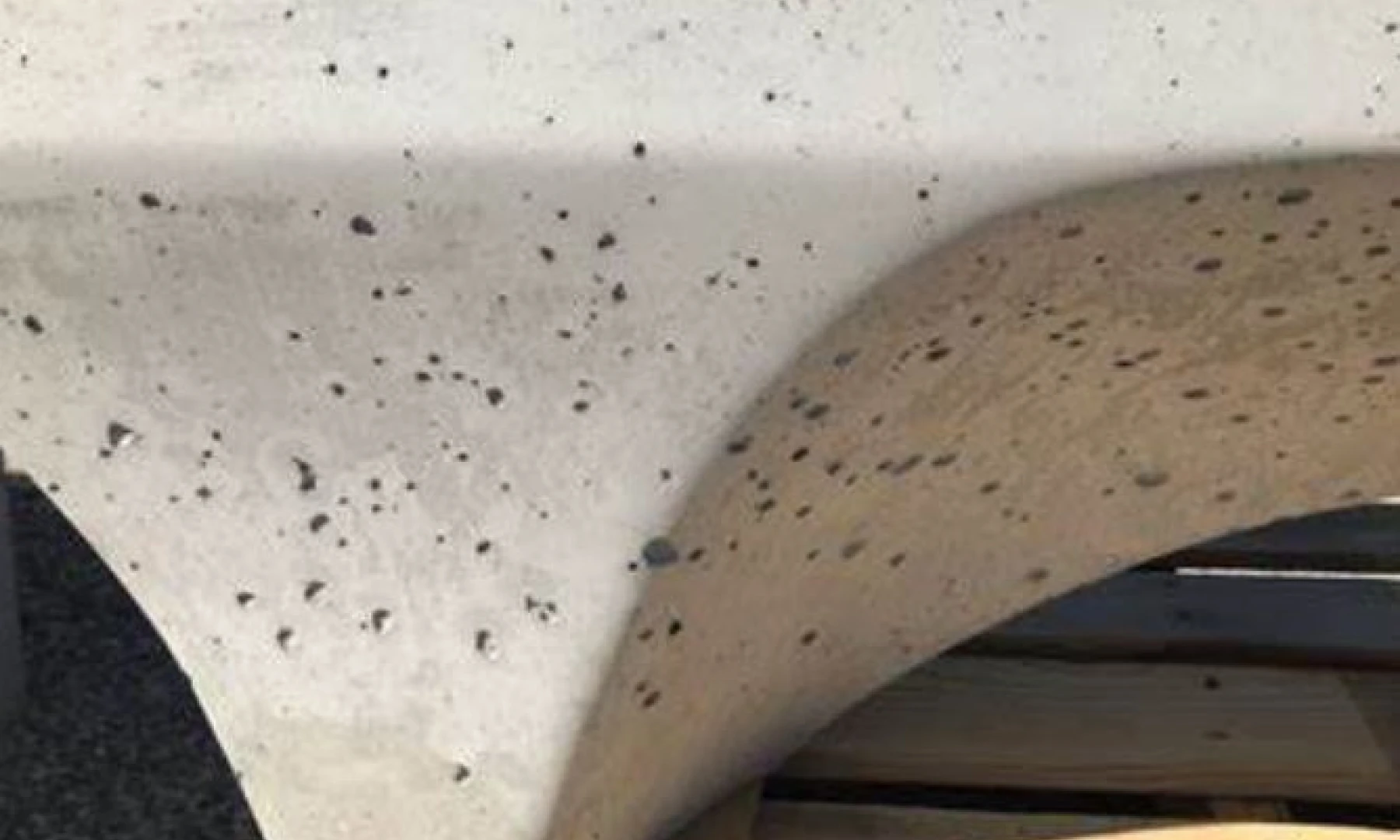
Fair-faced concrete has no place to hide defects. Unlike hidden structural work, every small void, stain, and patch becomes part of the final finish. That makes bughole prevention especially important when the surface is intended to remain exposed.
The first step is preparation. The formwork must be clean, dry, and consistent, with no dust or residue that can interfere with release. The release agent should be applied in a thin, even film. Too much product can stain the surface or trap defects. Too little can cause sticking and uneven separation.
For the bigger picture, read Bugholes in Concrete: Why Vibration Alone Fails and Water-Based Release Agent vs Waste Oil: Why the Cheap Choice Costs More.
Why Fair-Faced Concrete Is Sensitive
Fair-faced concrete is judged visually first. If the surface looks inconsistent, the project feels unfinished even if the structure itself is sound.
That is why a small process mistake can become a big result problem. A tiny application error or a minor change in placement can show up immediately after stripping.
Pre-Pour Checklist
Before casting, the team should confirm:
- the formwork is clean and dry
- corners, joints, and edges are free from residue
- the release agent is applied evenly
- no puddles or dry zones remain
The goal is a stable release layer, not a heavy coating. A thin film helps the concrete separate cleanly while still allowing the surface skin to form properly.
During-Pour Checklist
The second step is control during the pour. Concrete should be placed in a sequence that avoids air pockets near corners and tight zones. Vibration should be enough to consolidate the mix, but not so aggressive that it disturbs the surface or pushes defects into the face of the formwork.
Good surface quality depends on consistency, not force. If the crew changes speed, placement method, or vibration rhythm from one section to the next, the surface will usually show it.
Release Agent Selection
A release agent should support clean separation without staining or sealing air inside the surface. Water-based systems are often better suited to architectural finishes because they are designed for cleaner release behavior.
Waste oil may seem workable on simple jobs, but it is usually a poor fit for exposed concrete. The risk of staining and inconsistent separation is too high when the finish matters.
Common Site Mistakes
The most common mistakes are applying too much agent, rushing the stripping time, and assuming vibration alone can fix a poor setup. Bughole prevention is mostly about consistency, not force.
Another common mistake is ignoring repeat patterns. If bugholes appear in the same location more than once, the cause is probably still active. That is a process clue, not bad luck.
After-Stripping Review
After stripping, inspect the defect pattern and note where the problem appears. If the same corners or joints keep showing voids, the next pour should change the specific weak point rather than repeating the same setup.
If you want a practical checklist for your site, send us a photo and we will help you evaluate the process.
You can also compare this with Release Agent Application: Spraying, Coverage, and Quality Control.
