
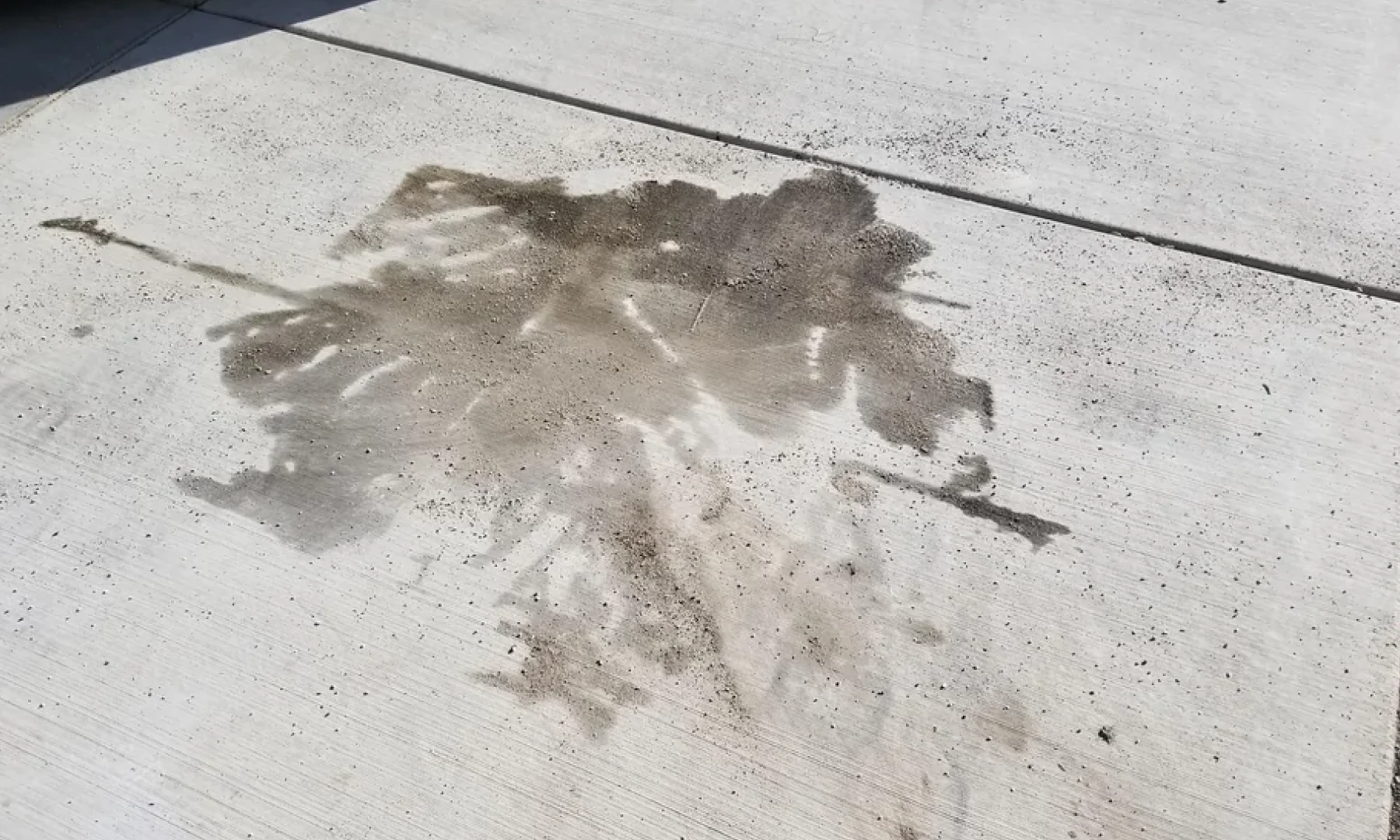
In many construction sites across Asia, waste engine oil is still used as a “cost-saving” release agent. As a concrete specialist with two decades of experience, I’ve seen this practice destroy countless projects. Let me explain why this seemingly economical choice is actually one of the most expensive mistakes you can make.
The False Economy of Waste Oil
Initial Cost vs. Total Cost
At first glance, waste engine oil appears attractive:
- Free or very low cost (often obtained from vehicle maintenance)
- Readily available on most construction sites
- Seems to work for basic formwork release
However, the hidden costs far exceed any initial savings.
Concrete Discoloration and Staining
The Staining Mechanism
Waste engine oil contains:
- Carbon particles from engine combustion
- Metal particles (iron, copper, aluminum) from engine wear
- Oxidized hydrocarbons that react with concrete
- Additives and contaminants from engine operation
When applied to formwork, these contaminants:
- Penetrate concrete pores during hydration
- Create permanent stains that cannot be removed
- Cause uneven coloration across the surface
- Ruin architectural finishes requiring expensive remediation

Impact on Fair-Faced Concrete
For architectural concrete projects, waste oil staining is catastrophic:
- White concrete turns yellow/brown permanently
- Surface discoloration creates patchy, unprofessional appearance
- No effective remediation short of surface grinding or coating
- Project rejection by quality inspectors or clients
Environmental and Health Hazards
Volatile Organic Compounds (VOCs)
Waste engine oil contains high levels of VOCs including:
- Benzene (carcinogenic)
- Toluene (neurotoxic)
- Xylene (respiratory irritant)
- Polycyclic aromatic hydrocarbons (PAHs)
Health Risks
Workers exposed to waste oil release agents face:
- Respiratory problems from VOC inhalation
- Skin irritation and dermatitis
- Long-term health risks from carcinogenic compounds
- Fire hazards from flammable vapors
Environmental Impact
- Soil contamination from spills and runoff
- Water pollution affecting local ecosystems
- Non-biodegradable waste requiring special disposal
- Regulatory violations in many jurisdictions

Formwork Destruction
Plywood Formwork Failure
Waste oil causes rapid deterioration of plywood forms:
Mechanism of Damage
- Oil Penetration: Waste oil penetrates plywood layers
- Adhesive Breakdown: Breaks down the glue bonds between plies
- Delamination: Causes ply separation and warping
- Reduced Reusability: Forms become unusable after 2-3 pours
Cost Impact
- Plywood lifespan: Reduced from 20-30 uses to 2-3 uses
- Replacement cost: 10x higher than with professional agents
- Project delays: From formwork replacement and repairs
Aluminum Formwork Corrosion
Even metal formwork suffers:
- Surface corrosion from acidic contaminants
- Pitting and staining that transfers to concrete
- Reduced release quality over time
- Shortened service life requiring premature replacement
Professional Release Agents: The Solution
How Professional Agents Protect Formwork
Modern water-based release agents provide:
1. Chemical Barrier Protection
- Non-reactive formulation that doesn’t attack formwork materials
- Protective film that prevents concrete adhesion
- pH-neutral chemistry safe for all formwork types
2. Formwork Preservation
- Plywood: Extends lifespan to 30-50 uses
- Aluminum: Prevents corrosion and maintains surface quality
- Steel: Protects against rust and staining
3. Clean Release
- 100% release efficiency without surface damage
- No residue on formwork or concrete
- Consistent performance across multiple uses
Technical Comparison
Performance Metrics
| Property | Waste Engine Oil | Professional Release Agent |
|---|---|---|
| Concrete Staining | Severe | None |
| Formwork Lifespan | 2-3 uses | 30-50 uses |
| VOC Content | High (500-1000 ppm) | Low (<50 ppm) |
| Biodegradability | No | Yes |
| Release Efficiency | 60-70% | 100% |
| Surface Quality | Poor | Excellent |
Cost Analysis (Per 1000 m²)
| Cost Item | Waste Oil | Professional Agent |
|---|---|---|
| Release Agent | $0-50 | $200-300 |
| Formwork Replacement | $5,000 | $500 |
| Surface Remediation | $3,000 | $0 |
| Health/Safety Compliance | $1,000 | $0 |
| Total Cost | $9,050 | $700-800 |
Savings with professional agent: $8,250+ per 1000 m²
Real-World Case Study
Project: Commercial Building, Guangzhou
Initial Approach: Used waste engine oil for cost savings
Problems Encountered:
- Severe concrete discoloration requiring surface grinding
- Plywood forms failed after 3 uses (expected 25 uses)
- Worker health complaints from VOC exposure
- Environmental inspection violations
Cost Impact:
- Remediation: $45,000
- Formwork replacement: $28,000
- Fines and delays: $15,000
- Total additional cost: $88,000
After Switching to Professional Agent:
- Zero staining issues
- Formwork lifespan restored to 30+ uses
- No health or environmental issues
- Project completed on schedule
Best Practices
1. Never Use Waste Oil
Establish clear policies prohibiting waste oil use:
- Safety regulations compliance
- Quality standards enforcement
- Cost-benefit education for project managers
2. Select Appropriate Professional Agents
Choose based on:
- Formwork type (plywood, aluminum, steel)
- Concrete finish requirements (architectural vs. structural)
- Environmental regulations (VOC limits, biodegradability)
- Project specifications (white concrete, fair-faced, etc.)
3. Proper Application
- Follow manufacturer guidelines for application rate
- Ensure uniform coverage without pooling
- Maintain clean application equipment
4. Training and Education
- Train workers on proper release agent use
- Explain cost implications of material choices
- Provide technical support from suppliers
Regulatory Compliance
Environmental Regulations
Many jurisdictions now prohibit waste oil use:
- China: GB 3095-2012 air quality standards
- EU: REACH regulations on hazardous substances
- USA: EPA regulations on waste oil disposal
Safety Standards
- OSHA: Limits on VOC exposure
- Local regulations: Worker protection requirements
- Insurance: May deny claims for non-compliant practices
Conclusion
Using waste engine oil as a release agent is a false economy that leads to:
- Concrete quality degradation (staining, discoloration)
- Formwork destruction (premature failure, reduced lifespan)
- Health and environmental hazards (VOCs, contamination)
- Higher total costs (remediation, replacement, fines)
Professional release agents, while having higher upfront costs, provide:
- Superior concrete finishes (clean, white, defect-free)
- Formwork protection (extended lifespan, reduced replacement)
- Environmental compliance (low VOC, biodegradable)
- Lower total project costs (no remediation, fewer replacements)
The choice is clear: professional release agents are not an expense—they’re an investment in quality, safety, and project success.
